De Novo Protein Design with AI
AI protein design for creating and optimizing de novo proteins using advanced machine learning models for biotech and life science applications. Part of our Molecular Design service.




AI-Powered Protein Design Pipelines
Generative AI for Novel Protein Designs
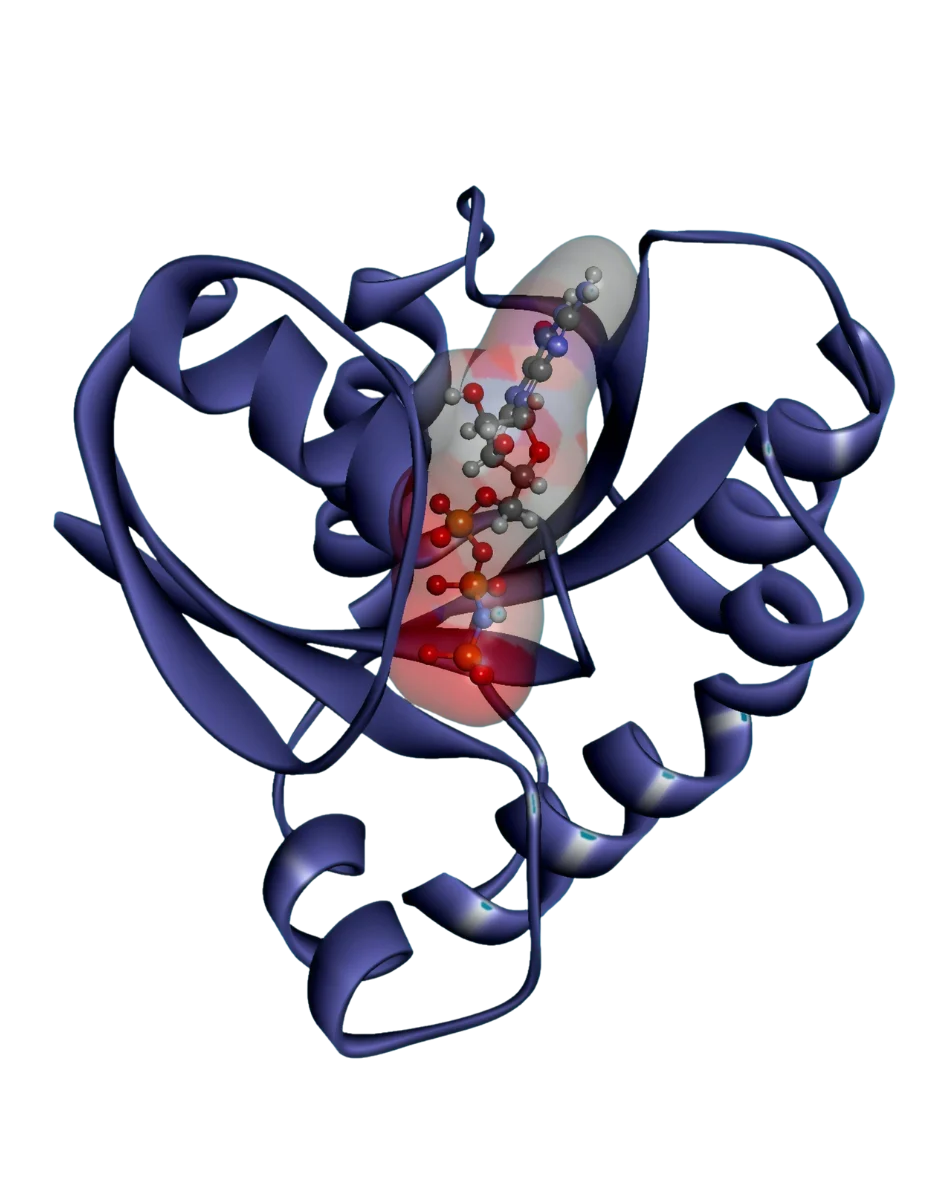
Generative architectures (diffusion, transformer-based) for de-novo sequence creation, scaffold repurposing, and expansion into unexplored molecular space.
ML Models for Structure & Function Prediction
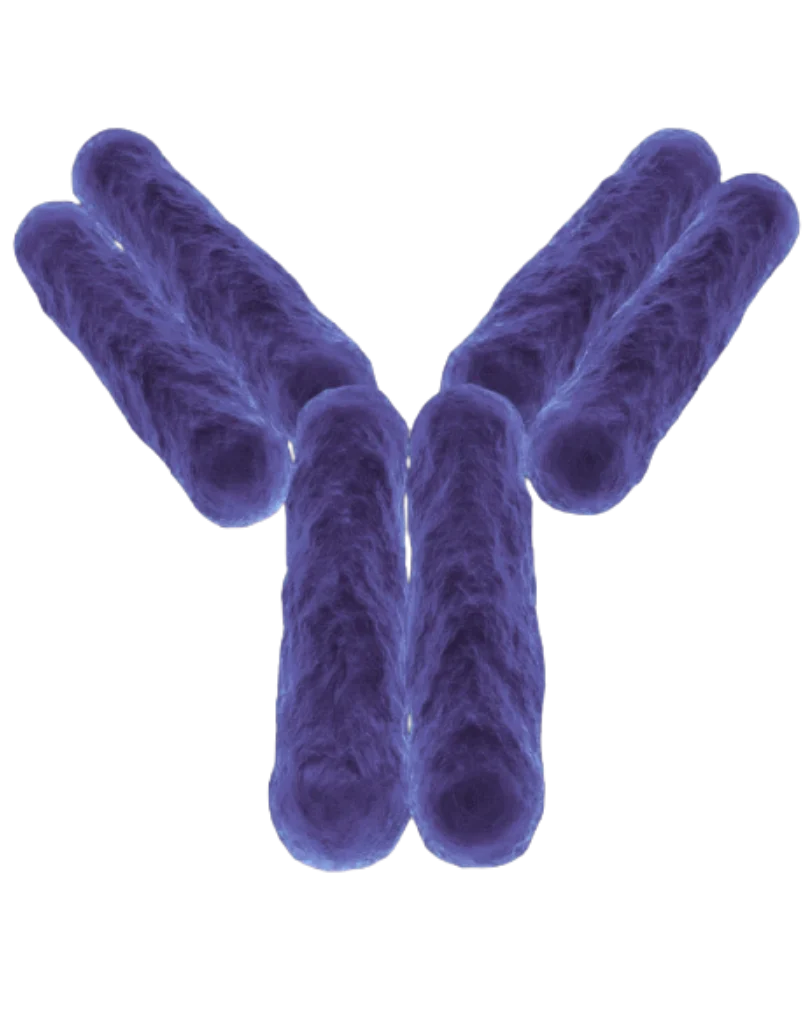
High-accuracy structure, stability, and developability predictions (AlphaFold-class, Boltz-family, OpenFold3-grade models) tailored to your therapeutic modality: antibodies, enzymes, cytokines, fusion proteins, scaffolds.
Protein–Protein Interaction (PPI) Modeling
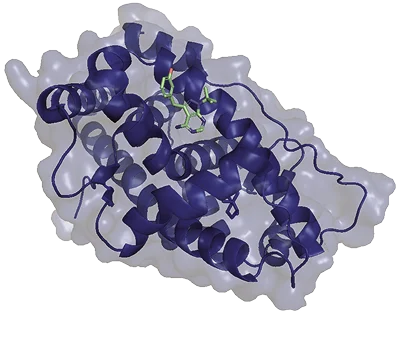
Deep-learning models for binding affinity, interaction hotspots, conformational flexibility, and docking prioritization – ideal for antibody design, biologics, and synthetic binding proteins.
Sequence Optimization & In-Silico Mutagenesis
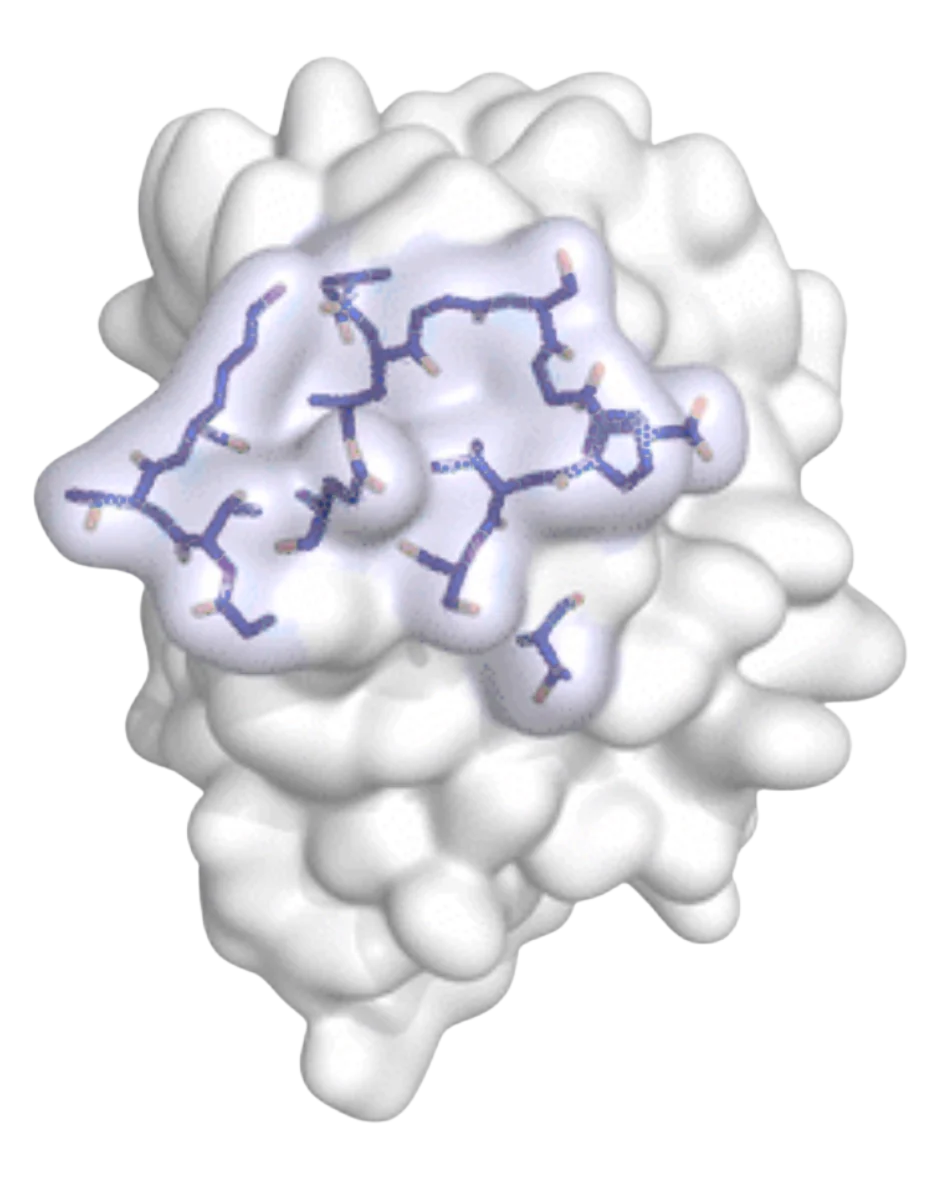
AI models generate and rank variants by potency, stability, immunogenicity, and manufacturability – reducing experimental rounds and reagent costs.
Developability & Liabilities Prediction
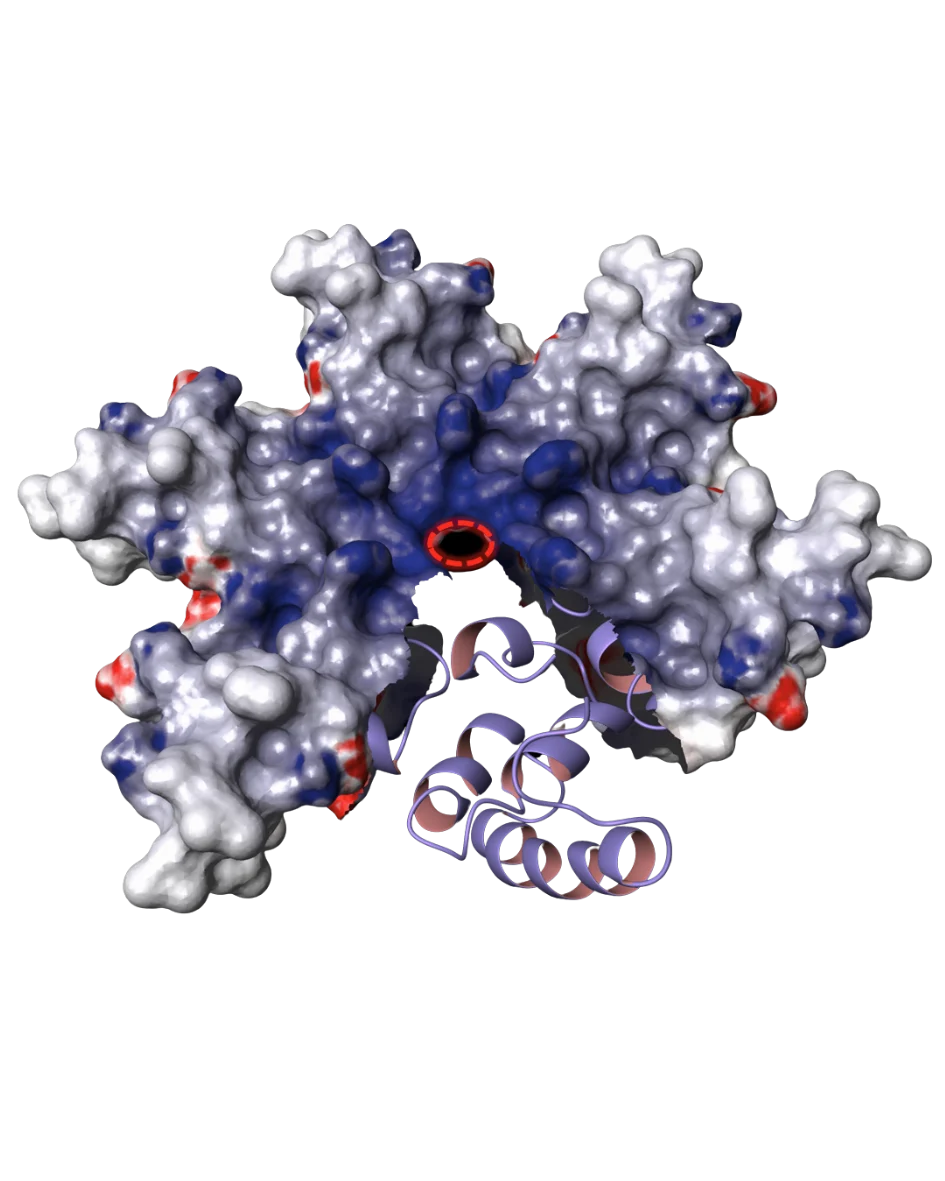
End-to-end assessment of aggregation, toxicity, immunogenicity, solubility, PTMs, and expression challenges – minimizing downstream failure.
Integrated Wet-Lab Support Pipelines
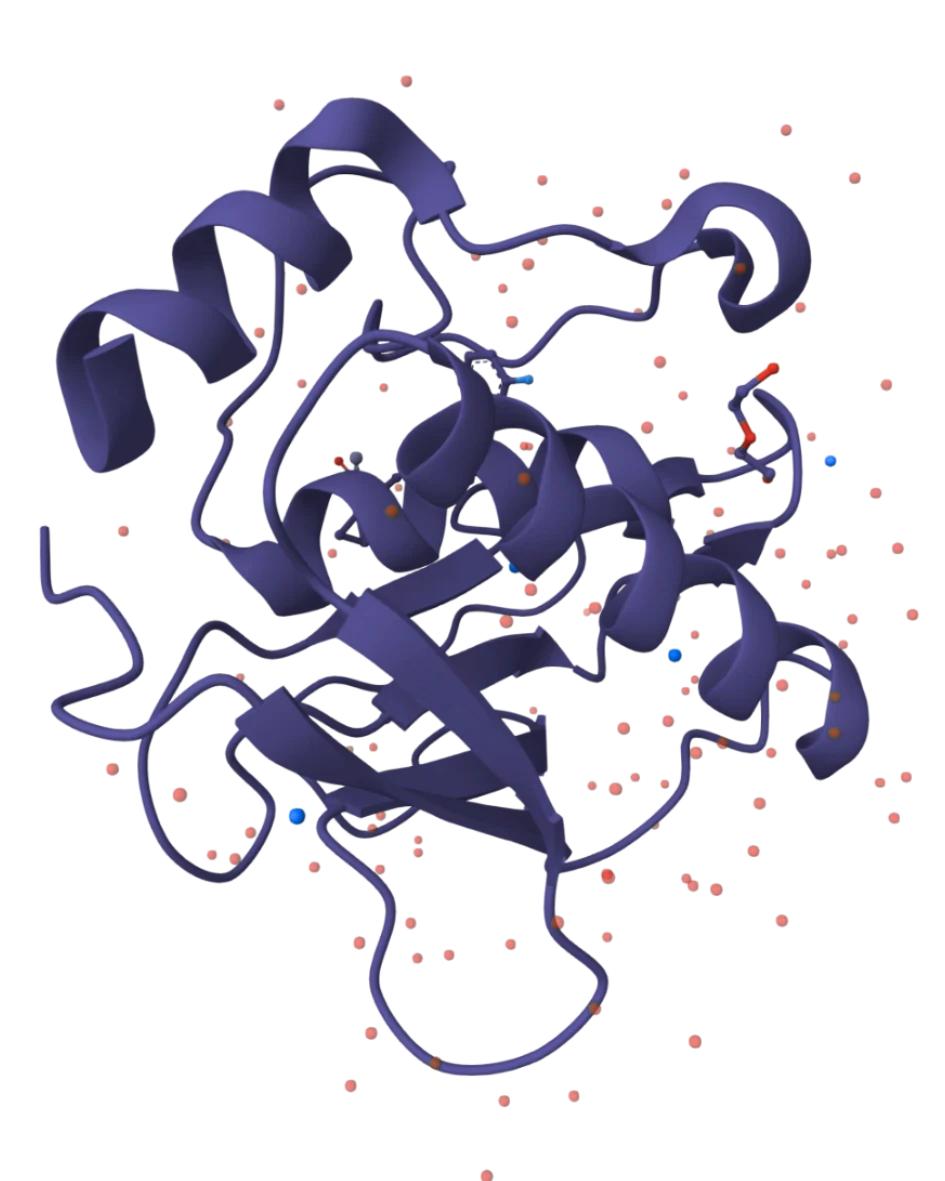
End-to-end systems that feed results back into your ELN/LIMS, support iterative design–test cycles, and cut experimental overhead.
Key R&D Challenges in Protein Design
We Solve with AI
Higher hit probability per experimental round
-
Reducing experimental burden by prioritizing high-likelihood functional variants before synthesis
Avoiding constructs that misfold or fail purification
-
Identifying stable, soluble, and expressible protein designs prior to wet-lab validation
Guiding rational design of modulators and biologics
-
Mapping and prioritizing therapeutically relevant PPI interfaces for inhibition or stabilization
Lowering manufacturing and formulation risks
-
Detecting early signs of aggregation, degradation pathways, or structural instability
De-risking IND-enabling work
-
Predicting immunogenic and liability-prone sequence regions before preclinical studies
Reducing downstream liabilities early
-
Ranking antibody or binder variants using joint affinity, specificity, and developability scores
Faster progression to IND candidates
-
Accelerating lead optimization by modeling potency, developability, and manufacturability simultaneously
Have a specific AI protein design or PPI modeling challenge in mind?
Share your target, interaction context, and available data. We’ll evaluate whether AI-driven protein design, PPI modeling, or hybrid physics-ML methods are applicable — and recommend an approach grounded in what can be modeled reliably.
The team surpassed expectations on timelines, provided much needed guidance and overall input on design, all while operating with a high degree of autonomy.

Carl Kaub
Vice President of Chemistry at HTG Molecular DiagnosticBiotech
Industry
AI Ops & MLOps, Cloud Architecture, UI/UX Design
Services
USA
Location
$200,000 to $999,999
Budget
Practical Impact of AI-Driven Protein Design
10×
Larger Variant Screening SpaceAI expands search into billions of virtual sequences, uncovering high-potency candidates unreachable through traditional directed evolution or rational design alone.
70%
Fewer Wet-Lab IterationsPredictive models surface top variants early, allowing teams to order fewer constructs while achieving higher success rates in the first experimental round.
2–3×
Higher Hit QualityPPI and stability models improve potency, specificity, and developability – drastically reducing downstream attrition.
>95%
Prediction AccuracySequence-to-structure and PPI predictions optimized for biologics lead to more reliable ranking and fewer dead-end constructs.
5×
Faster Lead OptimizationFrom target → candidate → optimized variant in weeks, not quarters — accelerating path to IND-enabling studies.
FAQ
Questions R&D teams ask
01What is AI protein design?
It uses generative models, such as diffusion and transformer architectures, to create new protein sequences and scaffolds, together with models that predict structure, stability, binding and developability. Candidates are ranked in silico, so the lab only synthesizes the most promising variants.
02Which protein modalities do you work with?
Antibodies, enzymes, cytokines, fusion proteins, scaffolds and synthetic binding proteins. Models are tailored to the modality and to the properties that matter for it.
03Which models do you use?
AlphaFold-class, Boltz-family and OpenFold3-grade structure prediction, deep-learning models for protein–protein interactions and binding affinity, and generative models for de novo sequences. We pick methods, including hybrid physics-ML approaches, based on what can be modeled reliably for your target.
04How does AI protein design work with our wet lab?
We deliver ranked variant lists and feed assay results back through your ELN or LIMS, so each design–test cycle improves the models. The aim is fewer constructs per round and earlier removal of variants likely to misfold, aggregate or fail developability.
Let’s build your AI advantage
Whether you’re prototyping a molecule scoring system or looking to automate your clinical ops – we’ll help you turn your biotech data into competitive edge.